EDUCATION & ENGAGEMENT
Science Beyond the Museum
I share my research beyond academic audiences through museum programs, public talks, school activities, career conversations, and Spanish-language science communication. These activities bring fish biodiversity and evolution into conversation with broader communities and audiences.
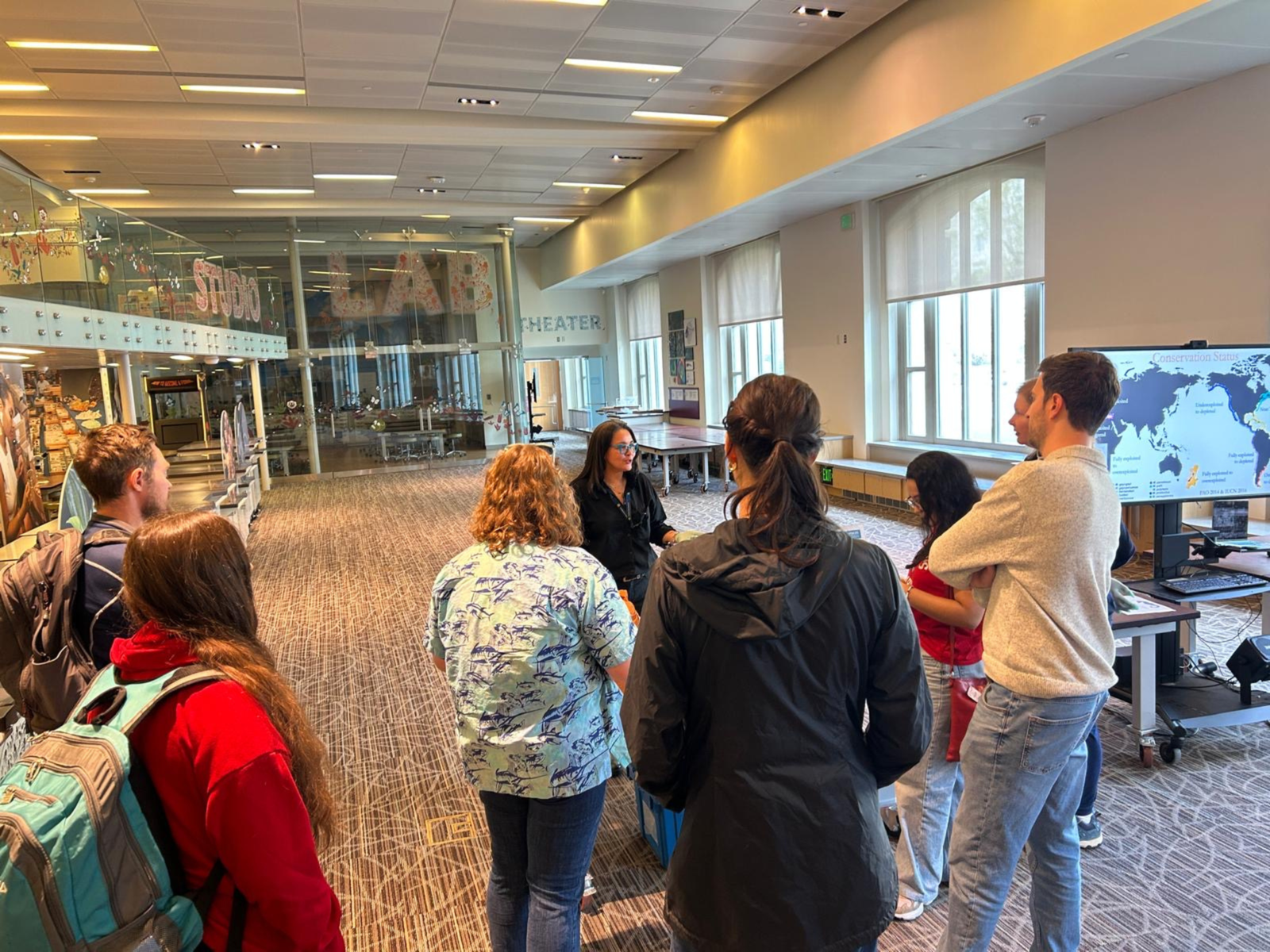
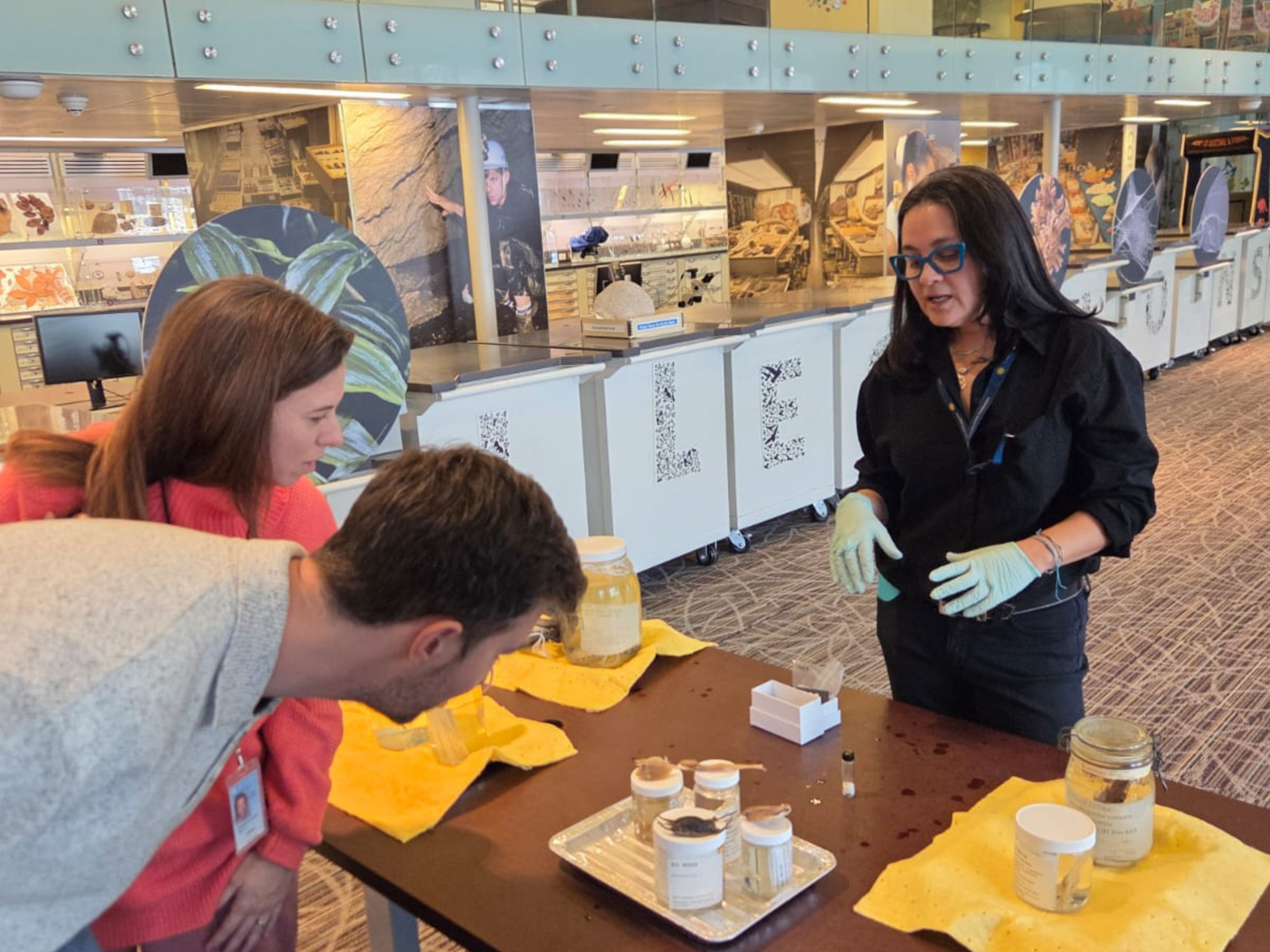
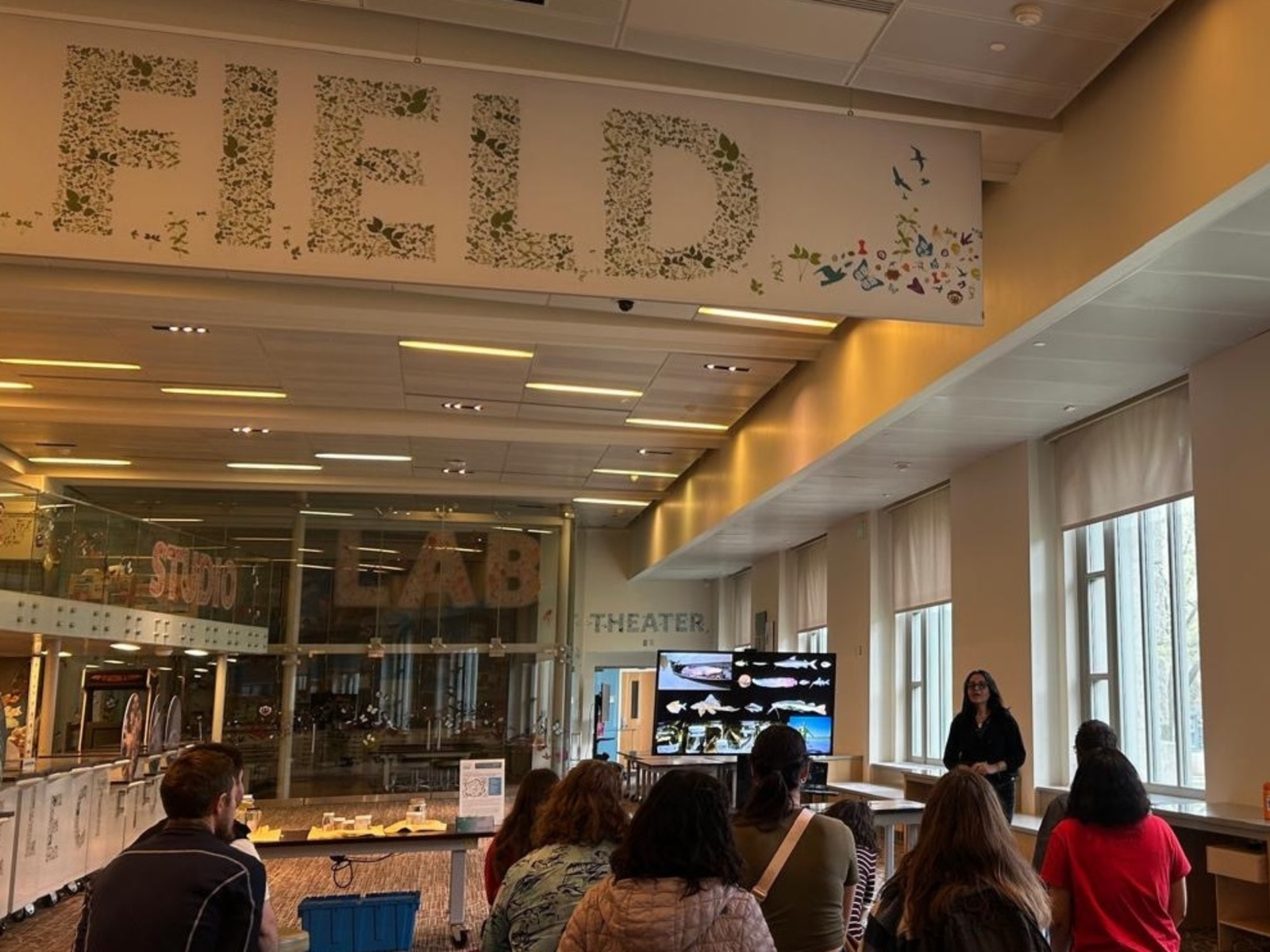
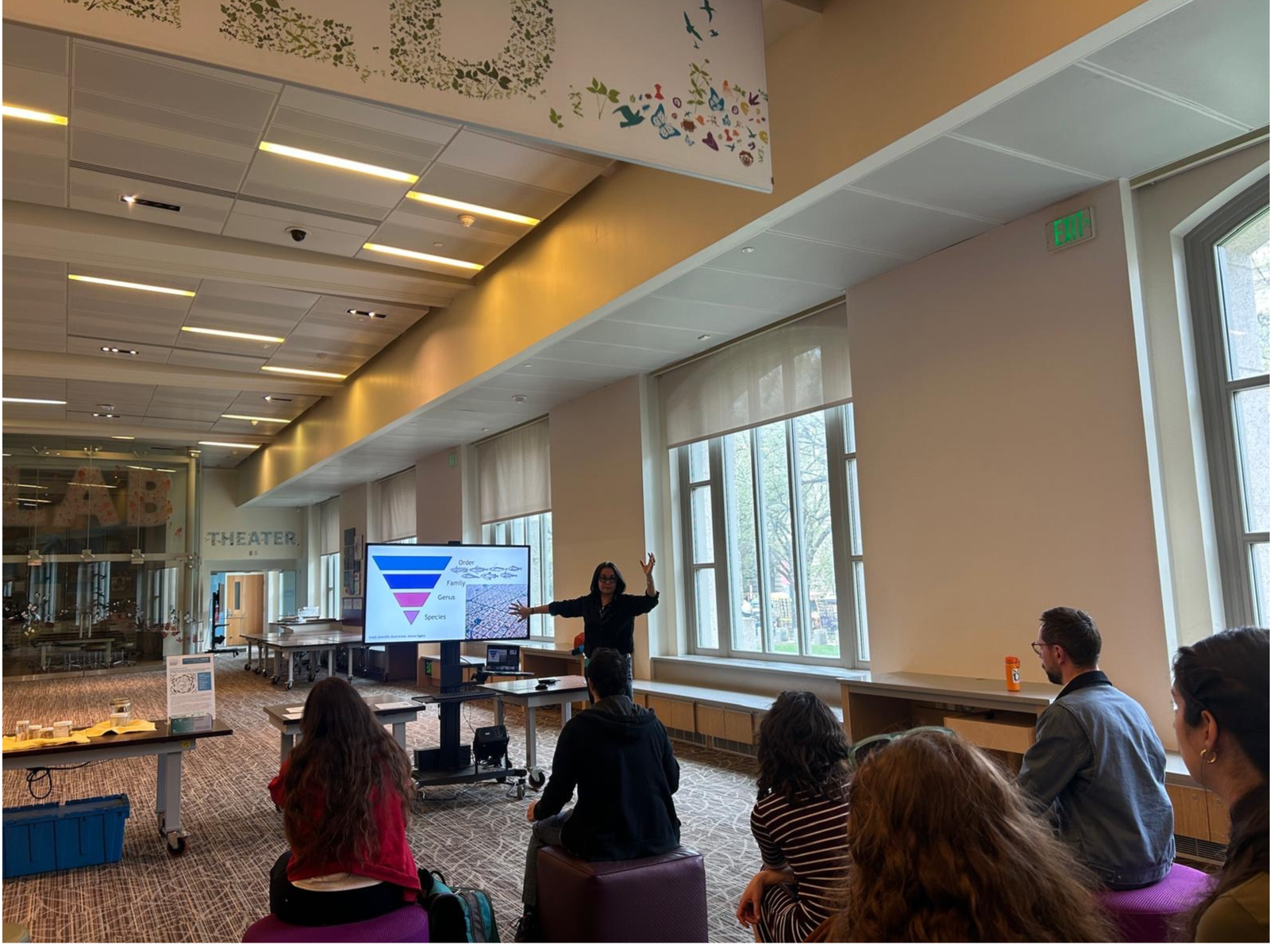
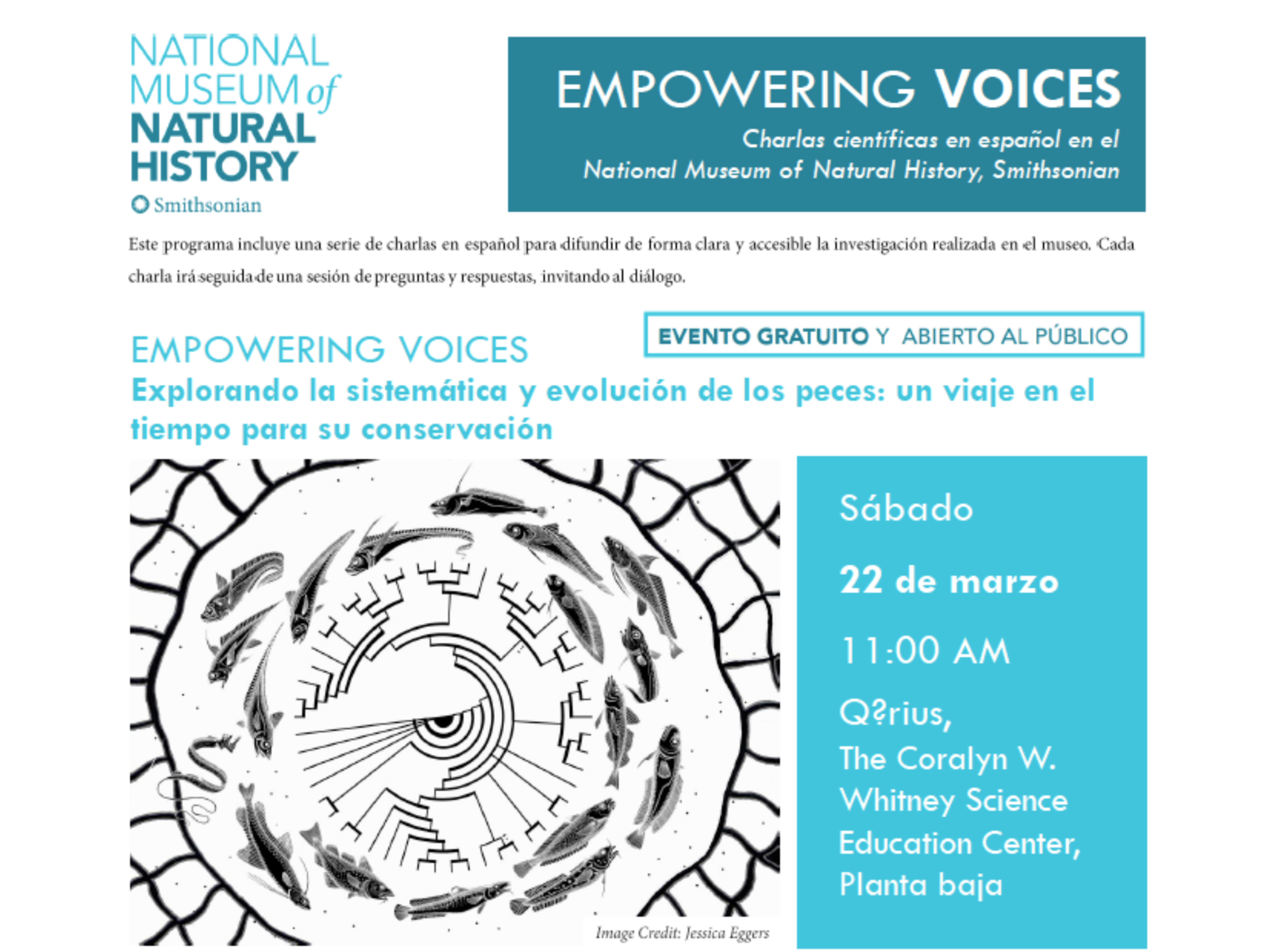
Opening Empowering Voices: Fish Evolution in Spanish
I had such a great time opening the Empowering Voices: Research Talks in Spanish series in Q?rius at the Smithsonian National Museum of Natural History! In “Explorando la sistemática y evolución de los peces,” I got to share how we use museum specimens and different kinds of data to explore fish evolution—and why that knowledge matters for conservation.
The series was created by Dr. Carmen Cobo to make museum research more accessible to Spanish-speaking audiences, with support from the Embassy of Spain in Washington, D.C. and NMNH.
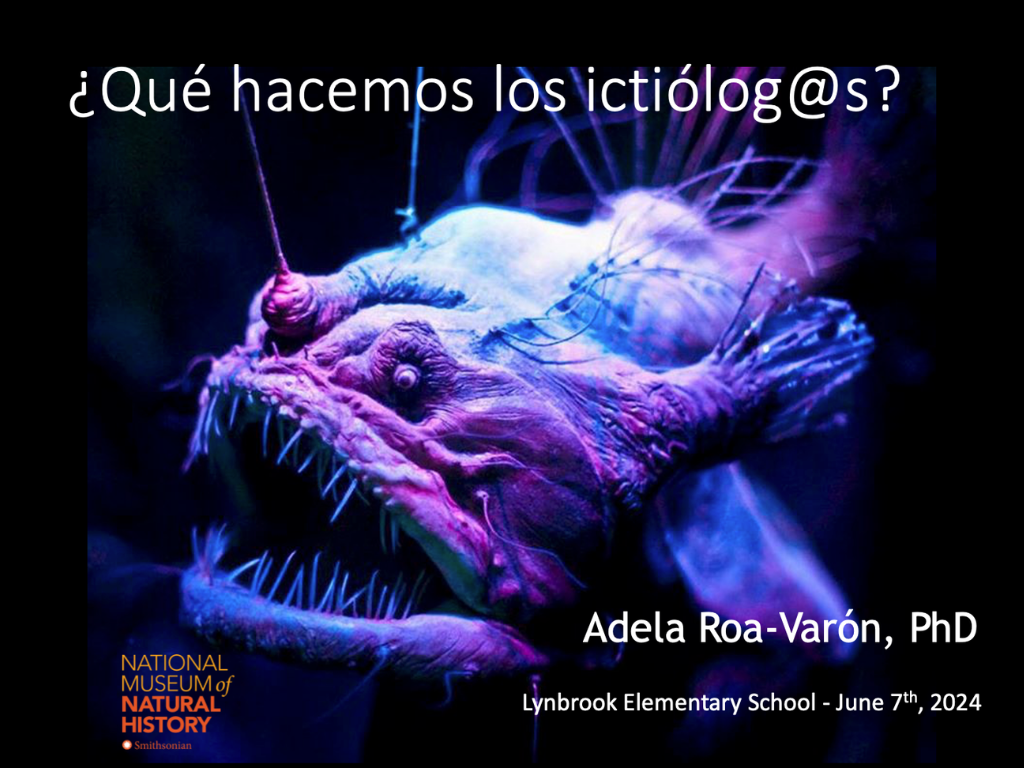
Career Day: Planting Seeds of Possibility
This is one of the most meaningful activities I get to do. During Career Day at Lynbrook Elementary School, I talk with students about what it means to be an ichthyologist, how I found my way into science, and all the unexpected paths a career can take.
I especially love introducing students to a field they may never have imagined as a possibility—and connecting with students with hearing loss, who can see someone in science who shares part of their experience. Those conversations stay with me.
I’m also incredibly grateful to Paula Vanessa, who brings so much energy and heart to creating these opportunities for students and reminding all of us that it really does take a village to help young people imagine what might be possible for them.
Sometimes showing just one student a possibility they had never considered can make all the difference.
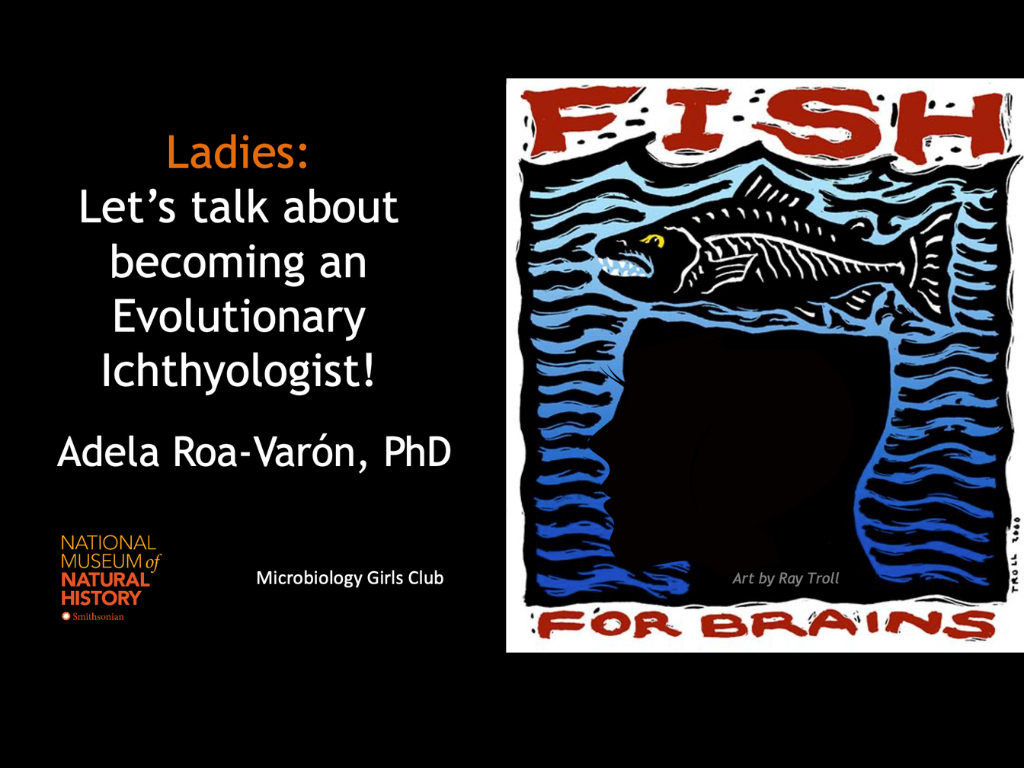
Ladies, Let’s Talk About Becoming an Evolutionary Ichthyologist!
How often do you get to tell a lab full of future scientists that studying weird fishes can actually be a career? I had a wonderful time virtually joining the Microbiology Girls Club at Miami Dade College to share what it means to be an evolutionary ichthyologist and some of the unexpected turns that brought me into museum science, fieldwork, and fish evolution.
Programs like this are especially fun because they give young women a chance to see just how many different ways there are to become a scientist—and hopefully discover a few possibilities they hadn’t imagined before.
I’m especially grateful to Dr. M. Nia Madison, who created the Microbiology Girls Club and has built such an inspiring space for young women to explore science and STEM careers. Meet the Microbiology Girls Club →
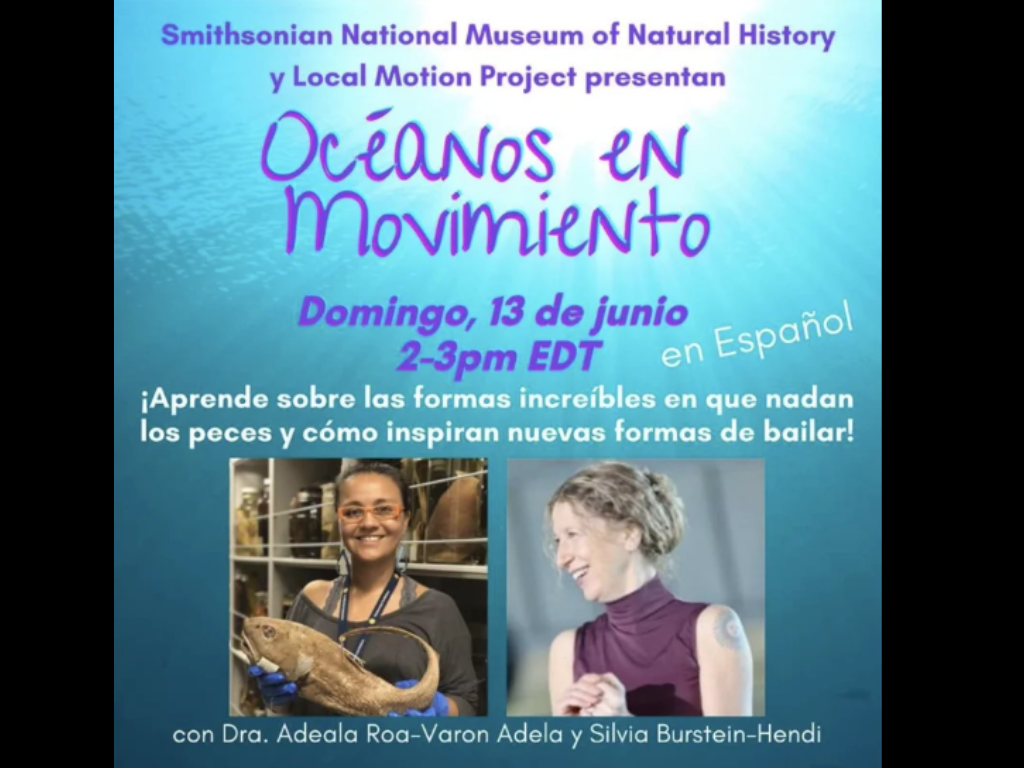
Oceans in Motion: Fish, Movement & Science in Spanish
I loved being part of Océanos en Movimiento, a Spanish-language program created with the Smithsonian National Museum of Natural History and Local Motion Project. Together with Silvia Burstein-Hendi, I explored the amazing ways fishes move through water—and how those movements can inspire new ways of thinking about dance, form, and motion.
It was such a fun way to connect fish biology with movement and creativity, and to share science in Spanish with families and broader audiences.
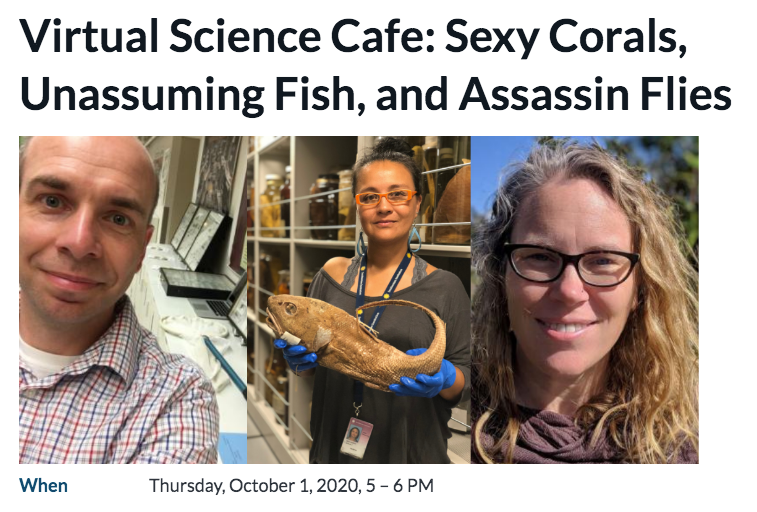
Unassuming Fish, Big Evolutionary Stories
I joined a Smithsonian Virtual Science Café for “Sexy Corals, Unassuming Fish, Assassin Flies” to make the case for some of my favorite underappreciated fishes: gadiforms. They may not always get the attention of sharks or reef fishes, but cods, hakes, rattails, and their relatives have some incredible evolutionary stories to tell.
It was a fun chance to talk about why “uncharismatic” species can be just as fascinating—and just as important for understanding biodiversity, evolution, and conservation.
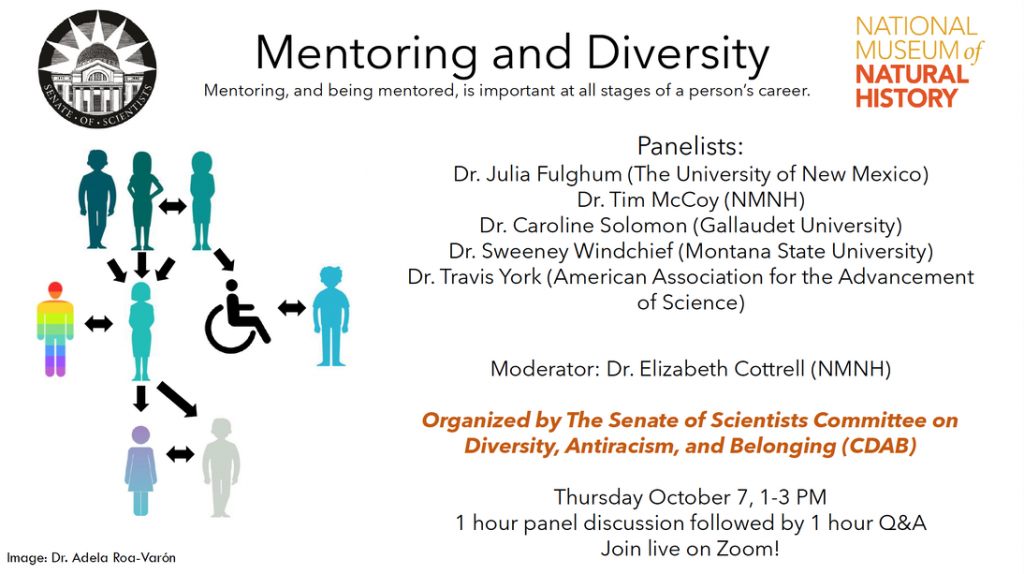
Mentoring, Diversity & Building a Stronger Museum Community
I was proud to help organize our second museum-wide discussion on mentoring and diversity through the NMNH Senate of Scientists and the Committee on Diversity, Antiracism, and Belonging. As a member of the committee, I also designed the program graphic and logo.
The conversation brought together experienced mentors to think about how mentorship can better support people at different career stages, strengthen pathways into museum science, and help make our scientific community more inclusive. What I appreciated most was the focus on practical ideas we could actually bring back into the museum.
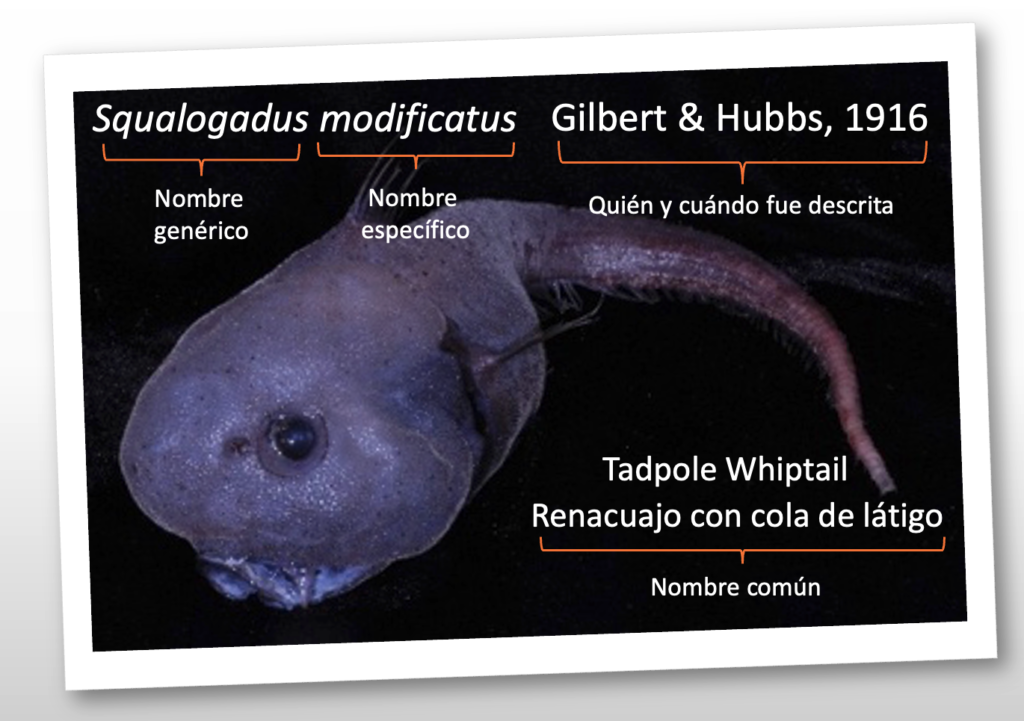
¿Qué hace a un pez un pez?
I had a lot of fun with this Spanish-language Smithsonian program, exploring one of my favorite questions: what actually makes a fish a fish? We looked at the features that define fishes, used a dichotomous key to identify specimens to species, and explored some of the amazing adaptations that allow fishes to live in very different habitats.
My favorite part was sharing the process of identification itself—showing kids and families that taxonomy can feel a lot like solving a mystery.
Explore ¡Descubre la historia natural! →
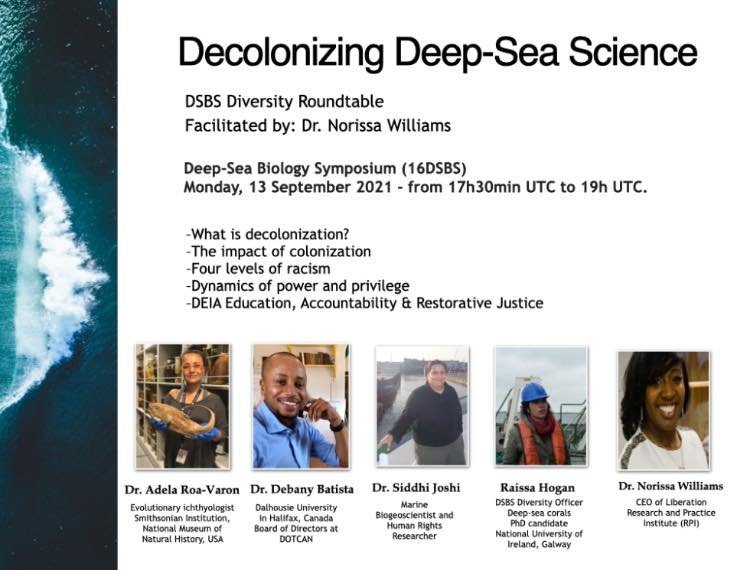
Diversity in Deep-Sea Science
I was delighted to join the Diversity Roundtable at the 16th Deep-Sea Biology Symposium, alongside colleagues from across the deep-sea research community. We had an open conversation about decolonization, power and privilege, racism, accountability, and what it really means to build a more inclusive scientific community.
I especially valued the opportunity to share perspectives from my own experience and to be part of a discussion focused not just on recognizing barriers, but on how we can actively make deep-sea science more welcoming, equitable, and representative.
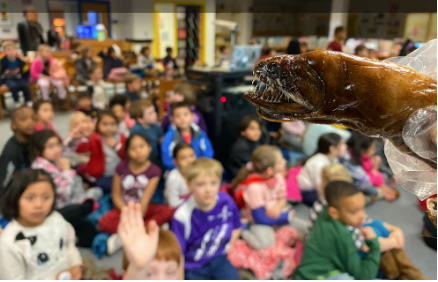
Bringing the Museum to the Classroom
Since my daughter started daycare, I’ve enjoyed taking part in science activities at her schools whenever I can. This time, I joined Science Day at Key School with ¿Qué hace que un pez sea un pez? Using specimens from the NMNH Fish Traveling Collection and interactive activities, we explored fish anatomy, identification, and some of the amazing adaptations that allow fishes to live in very different habitats.
It was especially fun to do the entire activity in Spanish, the language in which science is taught at Spanish immersion schools, and to bring a little bit of museum science into her school community.

Building a Culture of Equity & Inclusion in Science
I was proud to help organize this museum-wide workshop through the NMNH Senate of Scientists Committee on Diversity, Antiracism, and Belonging. Led by Desiree Adaway, the session focused on inclusion and racial equity in science and gave our museum community a chance to think more intentionally about the kind of culture we want to build together.
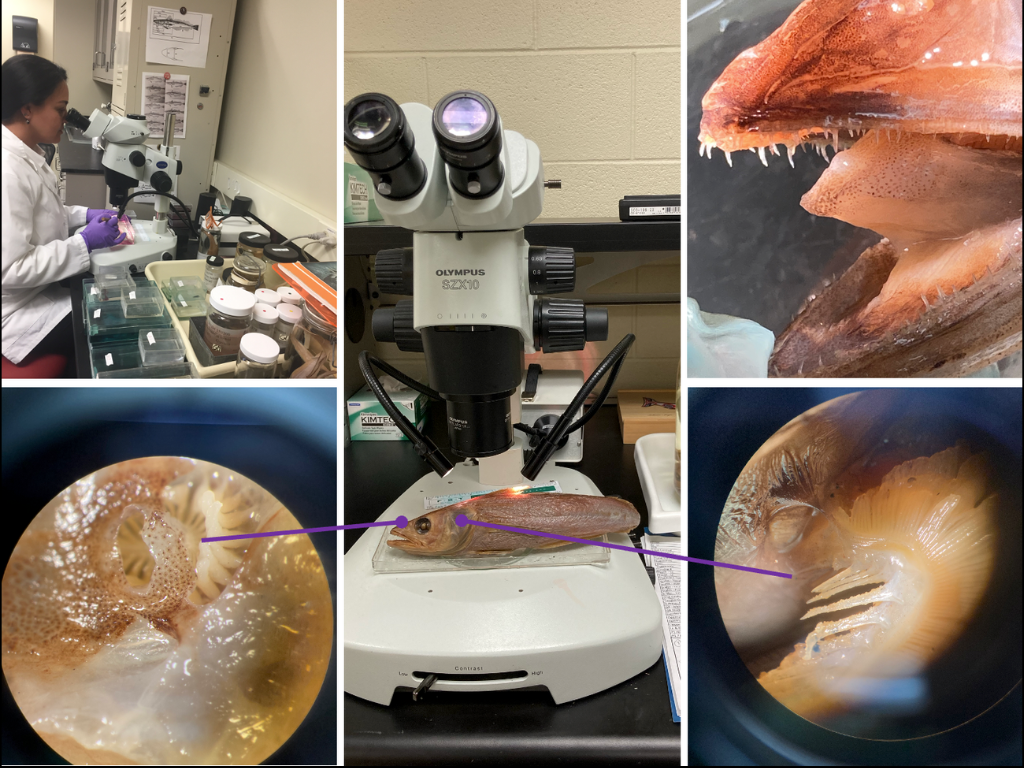
A Head Start in the Fishy World of Fishes
Have you ever wondered what makes a fish a fish, why studying them matters, or what an ichthyologist actually does? In this Smithsonian Science How program, I guided participants through a series of activities exploring fish diversity, identification, and the kinds of questions scientists ask when we study fishes.
It was a fun way to open the door to the “fishy world of fishes” and show how museum collections help us understand biodiversity and evolution.