CURRENT RESEARCH
Selected projects exploring fish evolution, biodiversity, and ecology across scales—from deep evolutionary history to contemporary seascapes and the deep ocean.


RESEARCH AREAS
Evolutionary History & Diversification
Seascape Genomics & Ecology
Museomics & Biodiversity Monitoring
DEEP TIME
Evolutionary History & Diversification
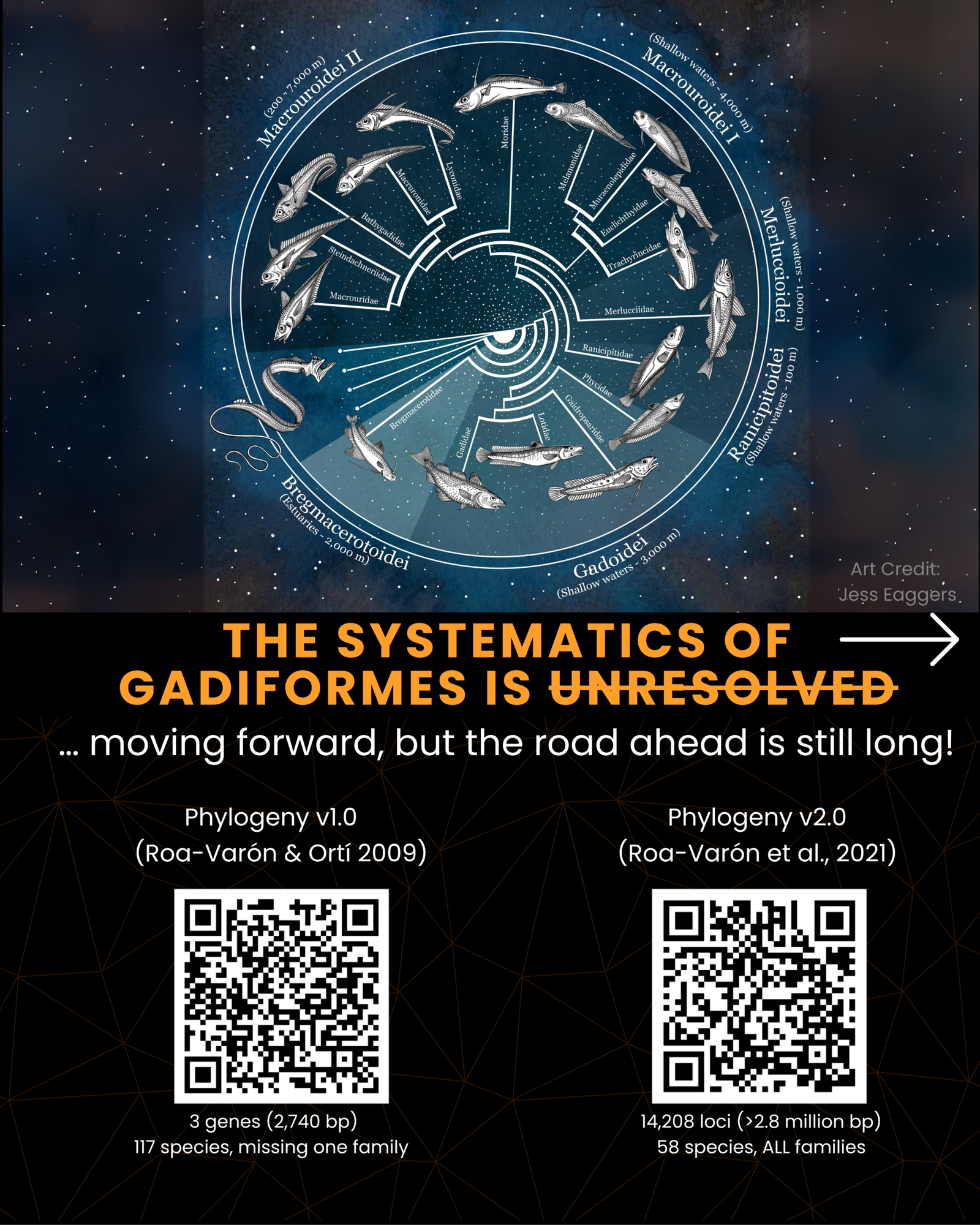
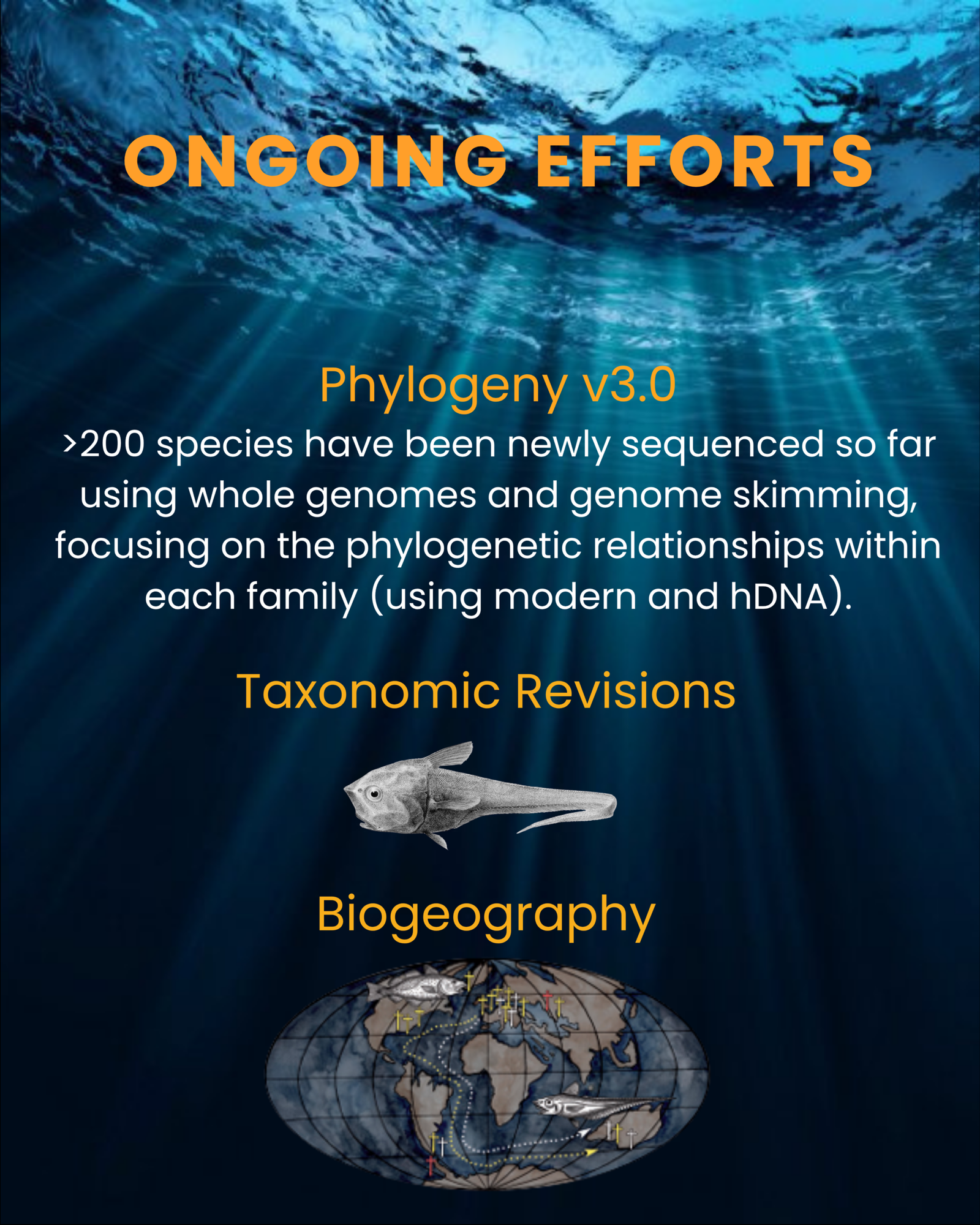
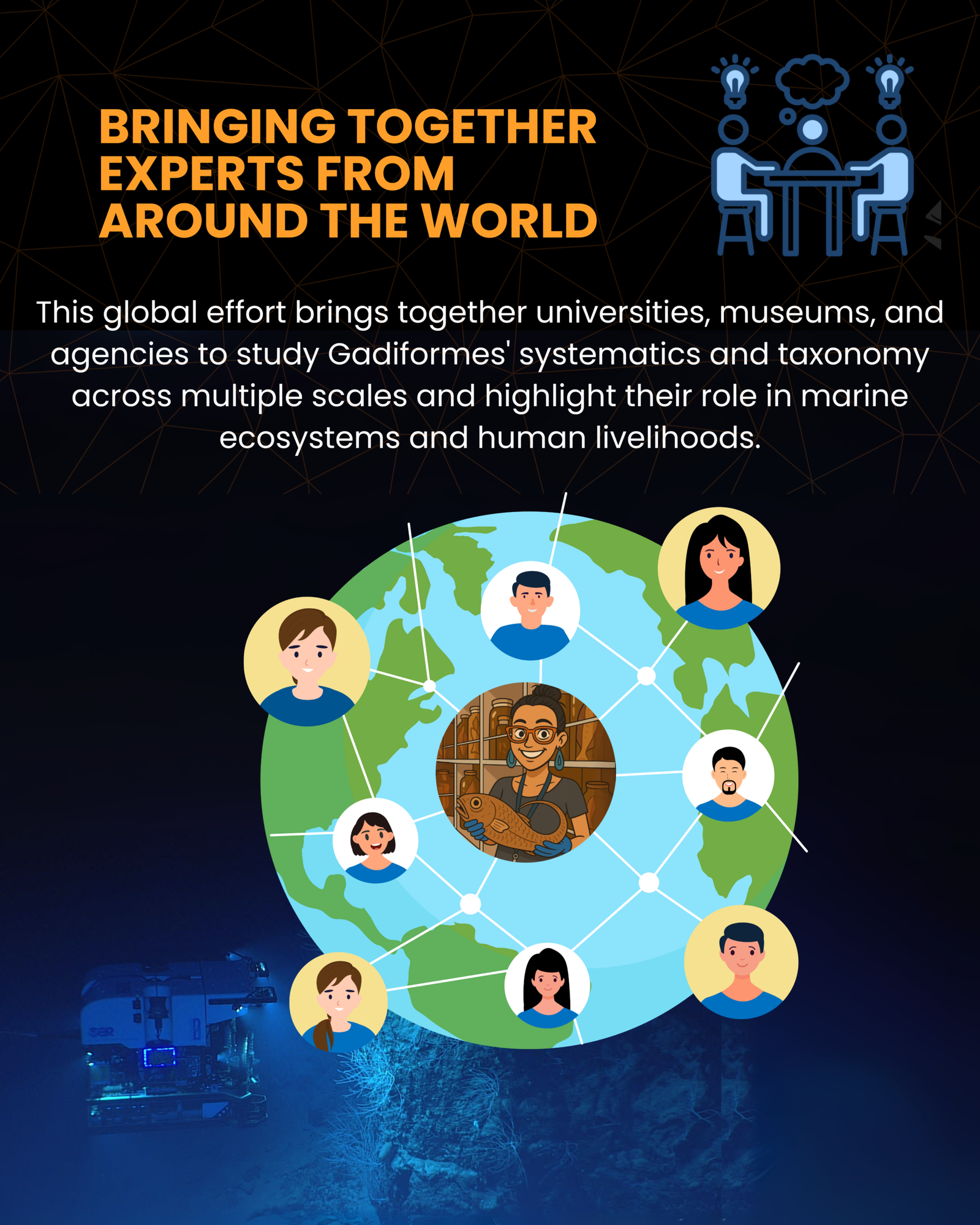
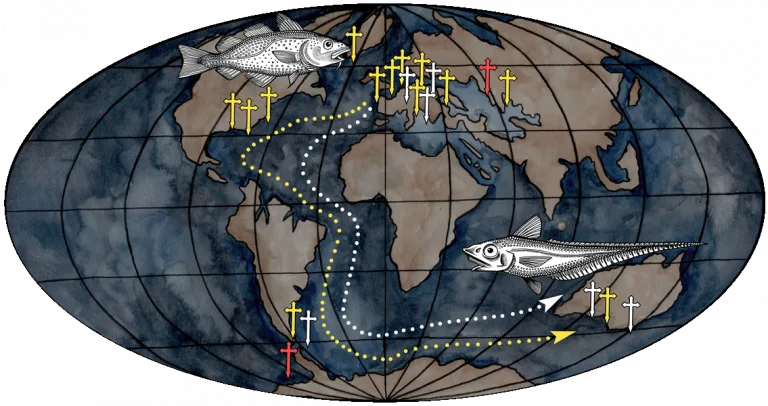
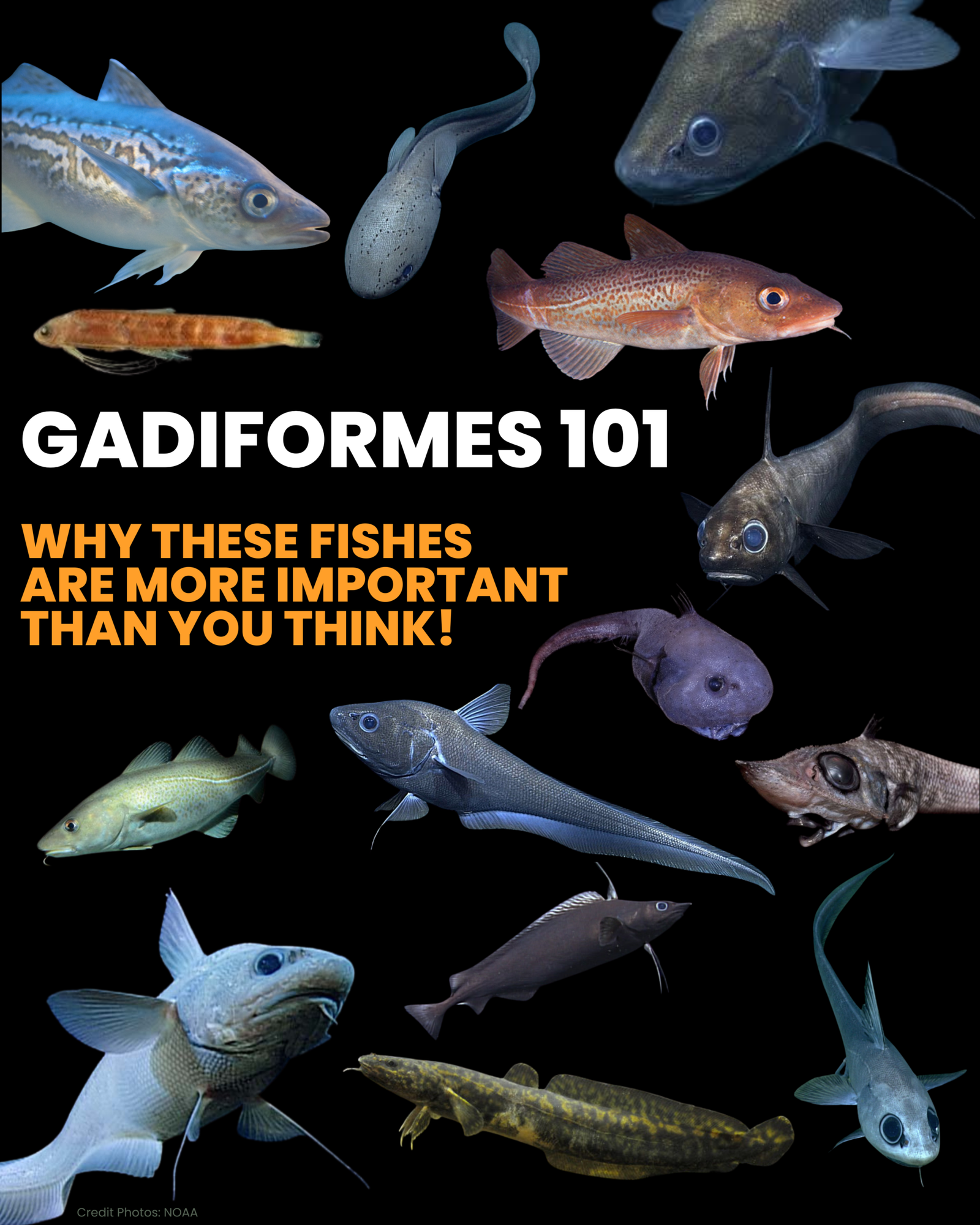
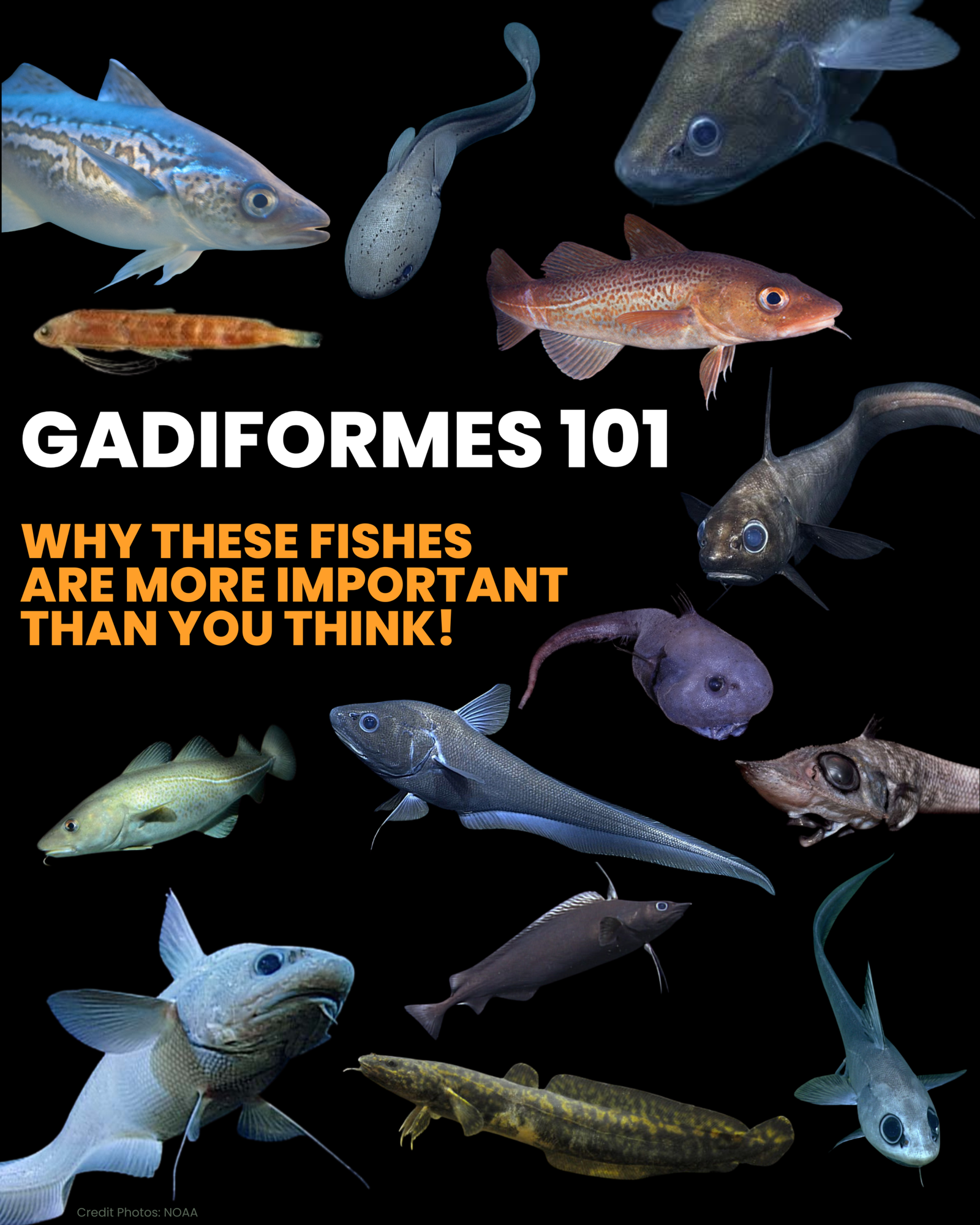
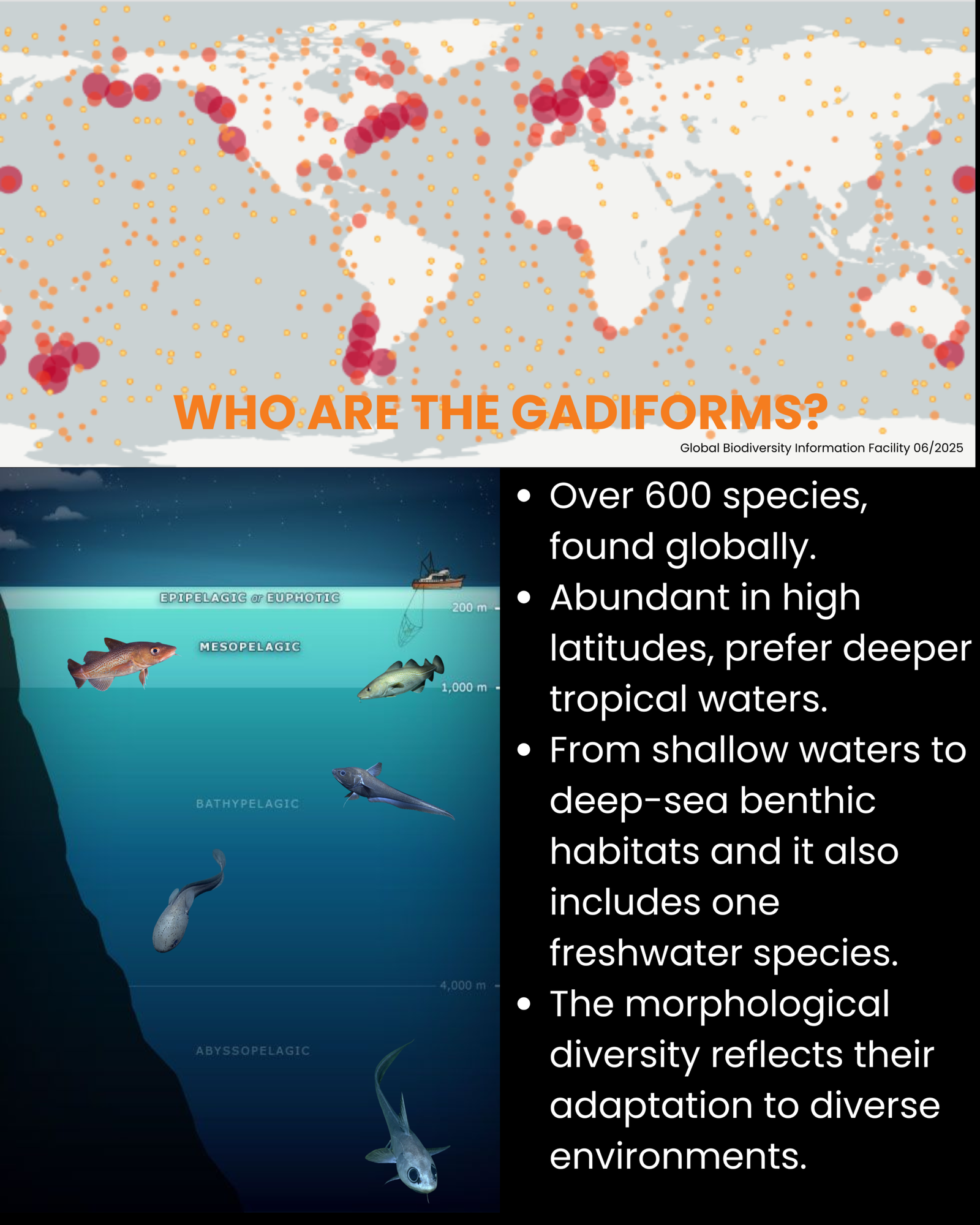
My research uses gadiform fishes—cods, hakes, rattails, morids, and their relatives—as a central model system to investigate how evolutionary history, traits, habitats, and environmental change shape fish diversification through time. Working globally with other ichthyologists, morphologists, paleontologists, and spatial ecologists, we investigate their evolutionary relationships, anatomical diversification, and transitions across marine habitats from shallow waters to the deep sea.
Phylogenomics, Systematics & Species Delimitation
How are fish lineages related, and where do species boundaries lie?
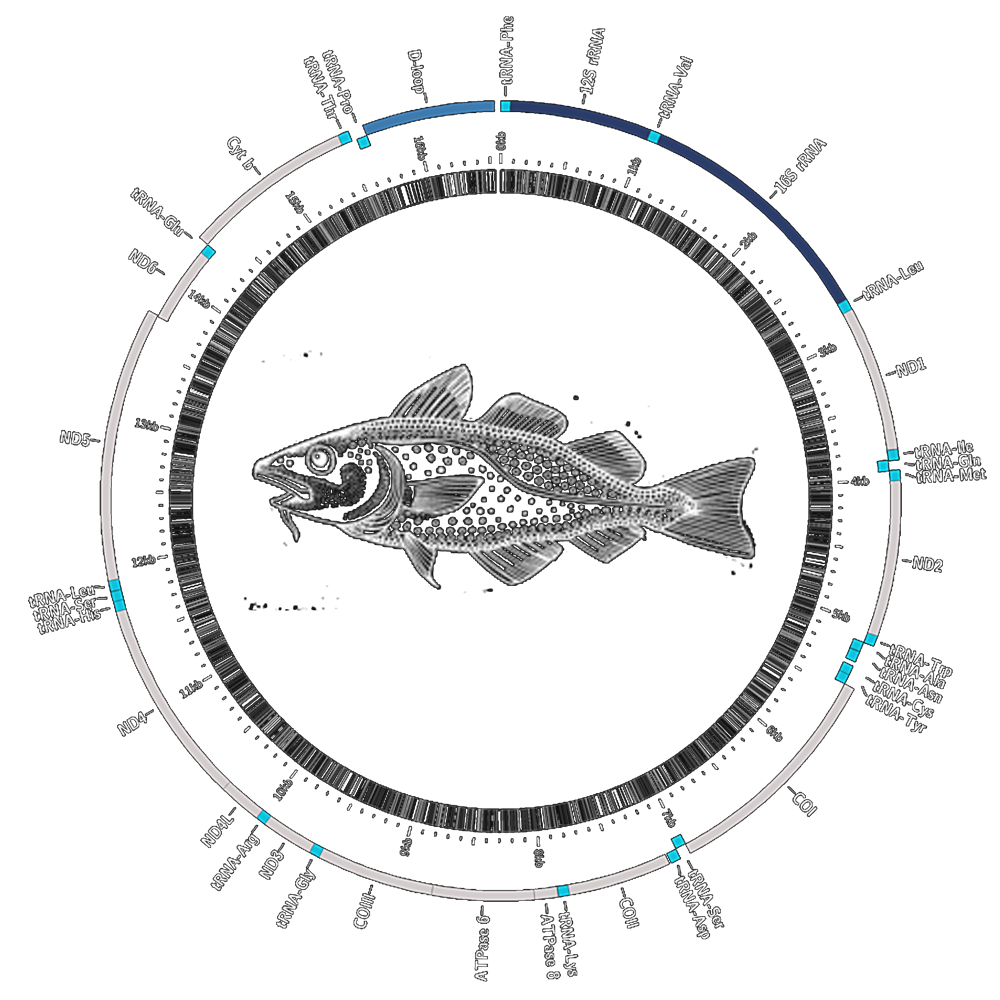
I use phylogenomic and integrative taxonomic approaches to reconstruct evolutionary relationships, delimit species, and understand how fish lineages have diversified across habitats and through time.
Comparative Morphology & Functional Evolution
How do anatomical innovations arise, function, and diversify?
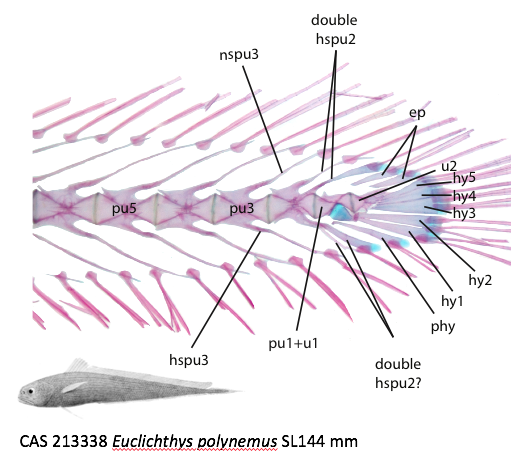
I combine comparative anatomy, cleared-and-stained specimens, imaging, and genomic data to investigate how morphological innovations evolve and contribute to ecological diversification.
Biogeography & Diversification Through Time
When and where did fish lineages diversify?
I integrate phylogenies, fossils, geographic distributions, and environmental data to examine when and where fish lineages diversified and how transitions among habitats have shaped their evolutionary history.
SELECTED PUBLICATIONS
Roa-Varón et al. 2021. Systematic Biology →
Roa-Varón & Pirro 2022. Biodiversity Genomes →
Gaither et al. 2016. Molecular Phylogenetics and Evolution →
SEASCAPES
Seascape Genomics & Ecology
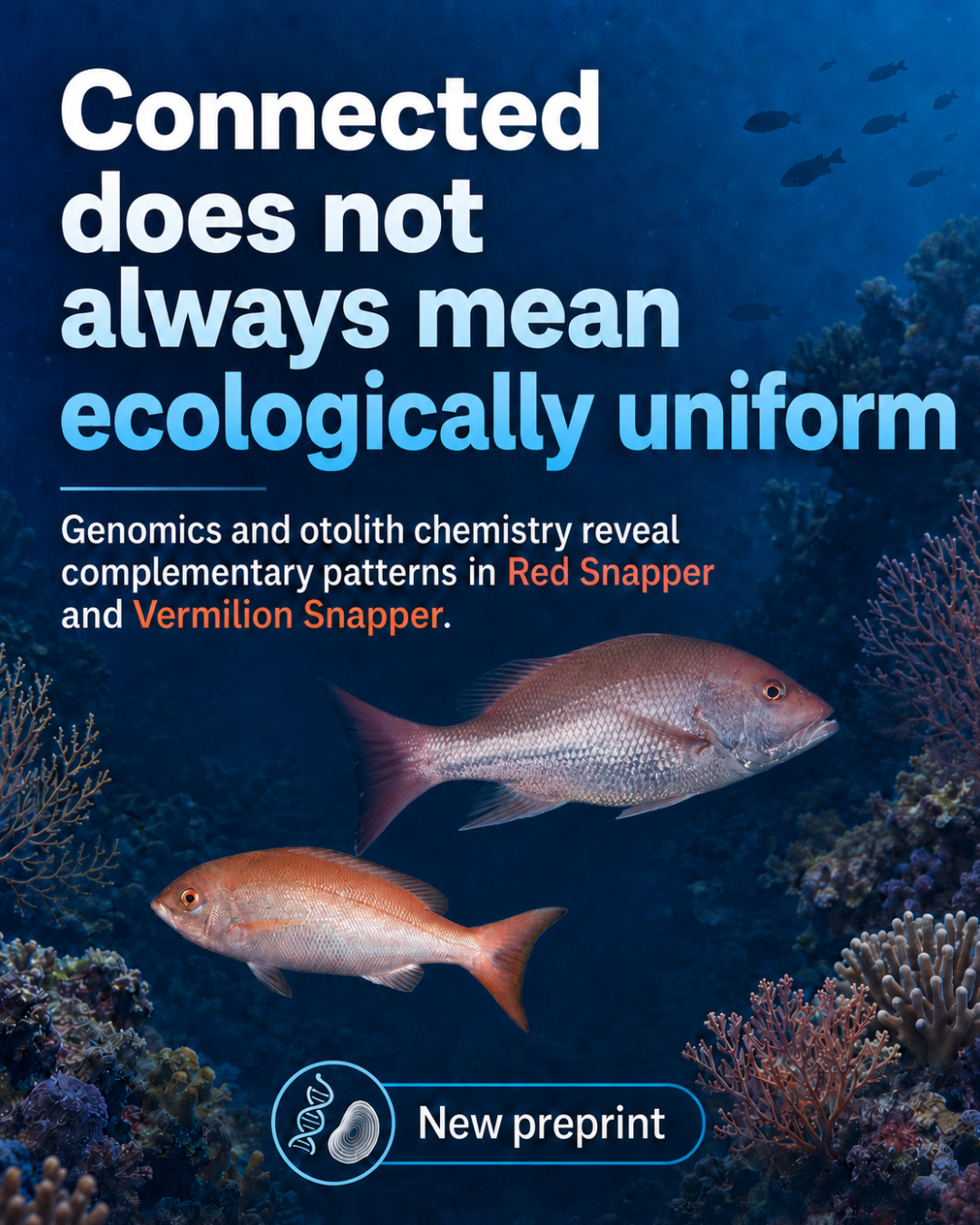
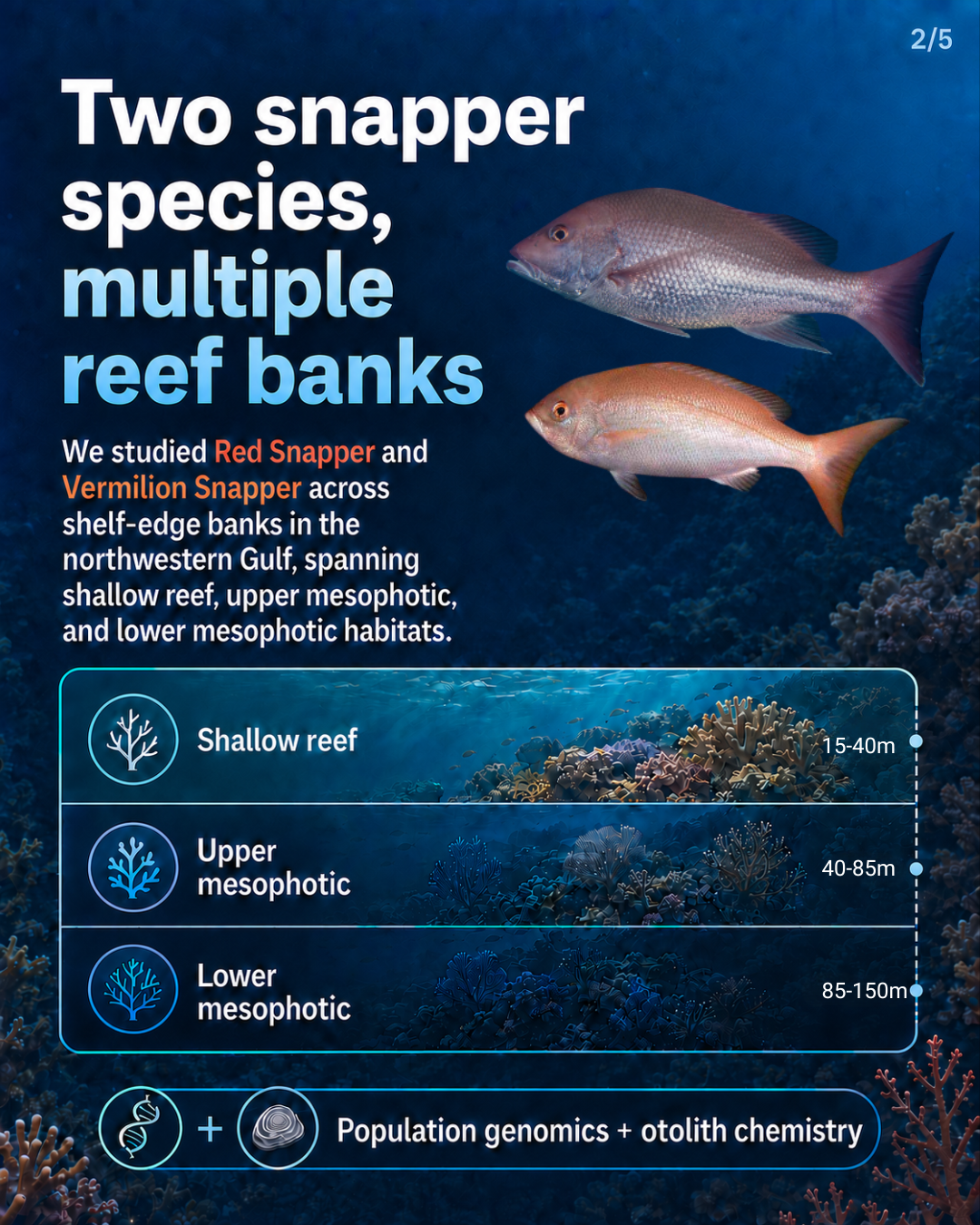
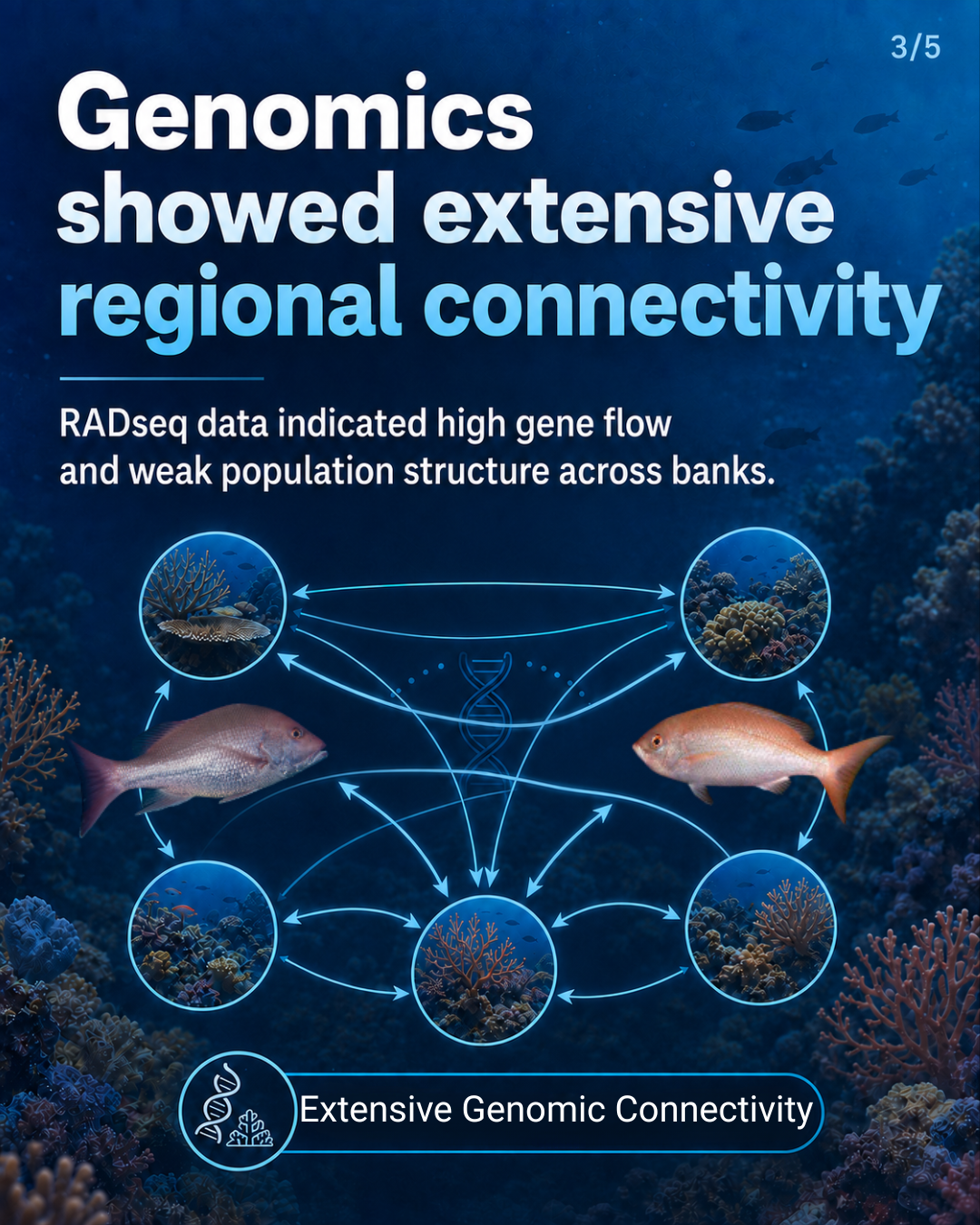
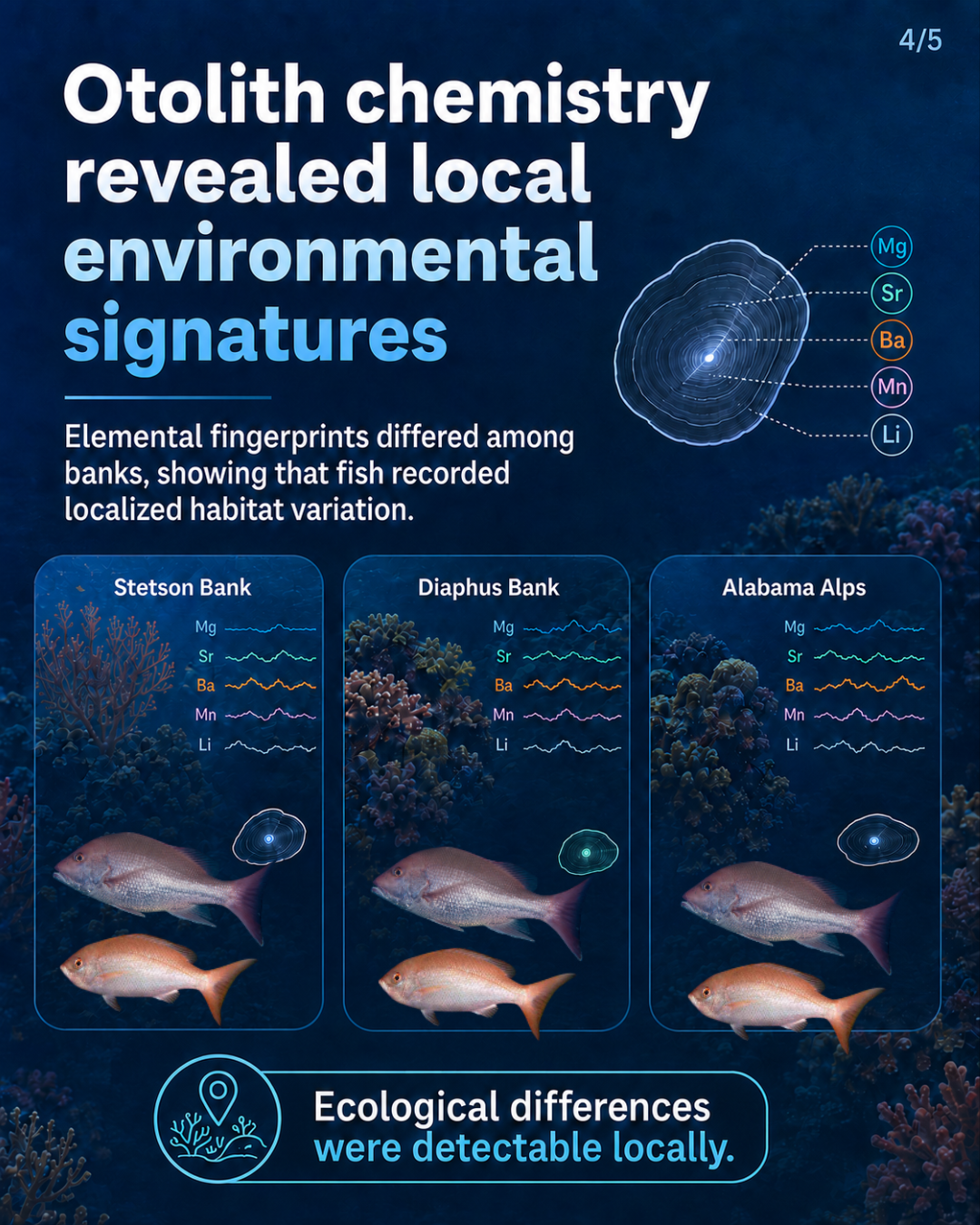
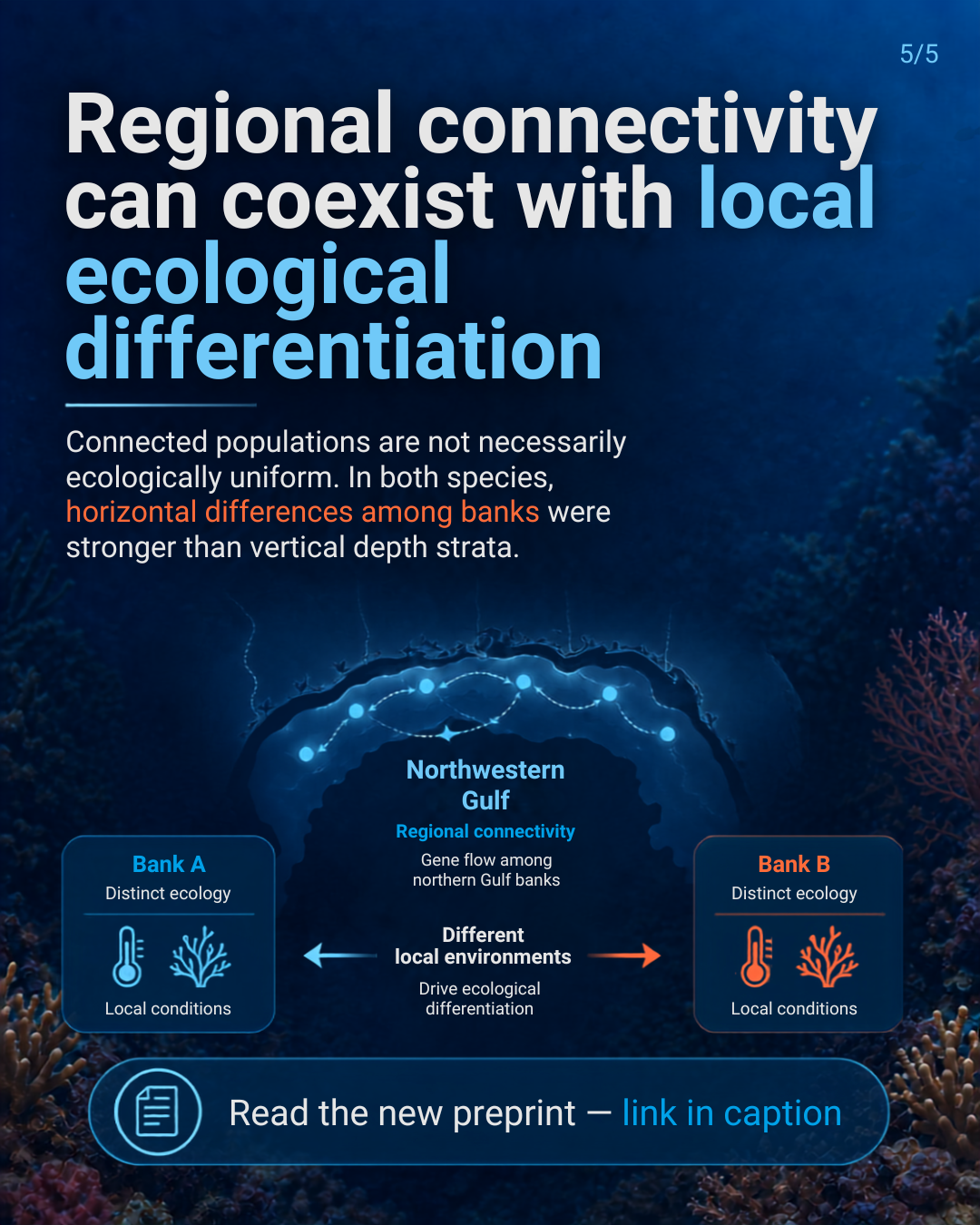
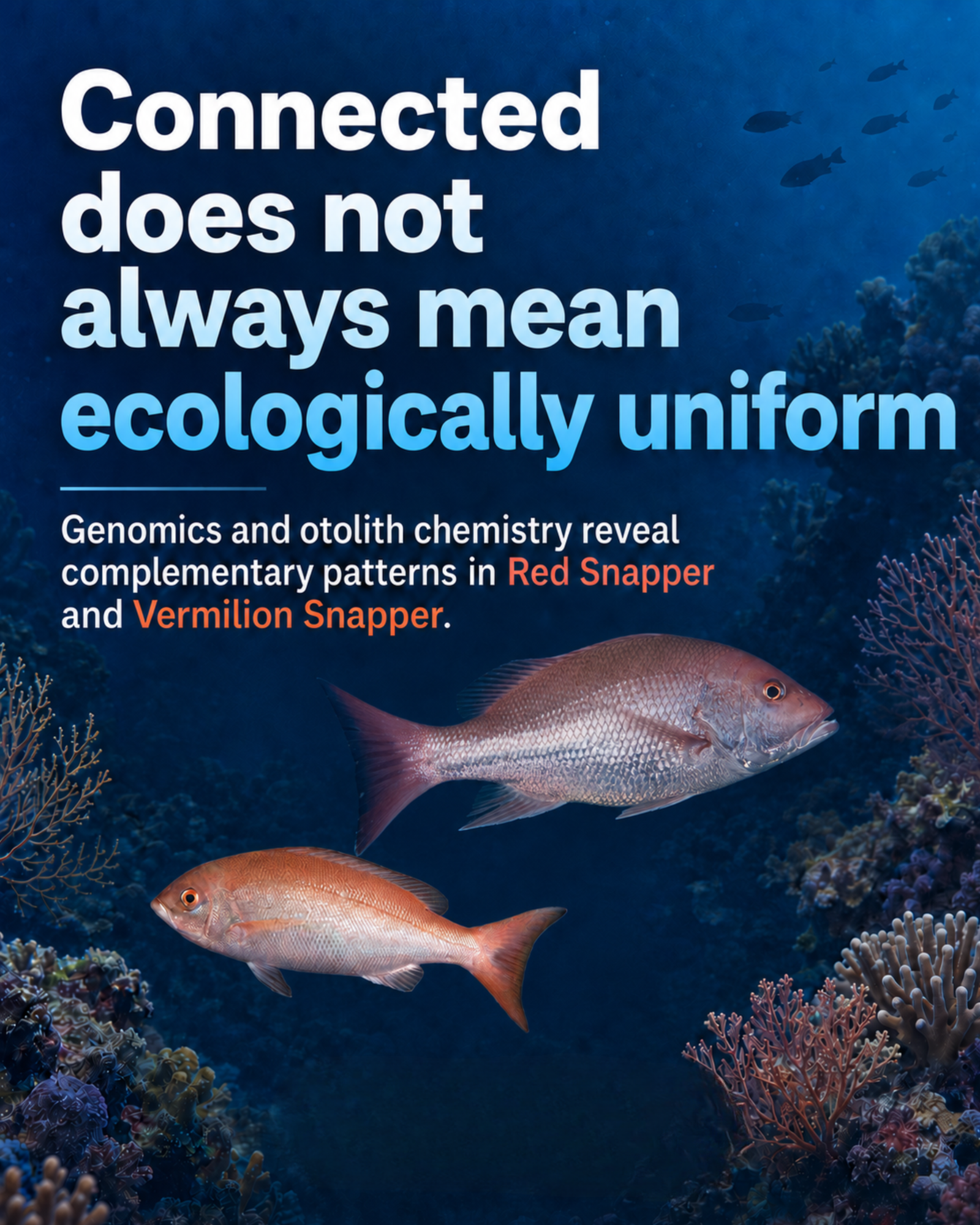
Through CyCLE (Connectivity of Coral Ecosystems), I contribute to a collaborative research program examining how fishes and other reef-associated organisms are connected across shallow and mesophotic habitats in the northwestern Gulf of Mexico. My work focuses on the fish component, integrating population genomics, otolith chemistry, life-history information, and habitat data to investigate ecological differentiation, habitat use, and connectivity across reef banks and depth zones. Explore the CyCLE project →
Habitat Connectivity & Ecological Differentiation
How connected are populations across seascapes, and when does connectivity mask local ecological differences?
I combine population genomics and otolith chemistry to evaluate connectivity across reef banks and identify localized ecological signatures that may persist despite extensive gene flow.


Life-History, Habitat Use & Environmental Gradients
How do habitat use and environmental conditions change across a fish’s lifetime and across depth?
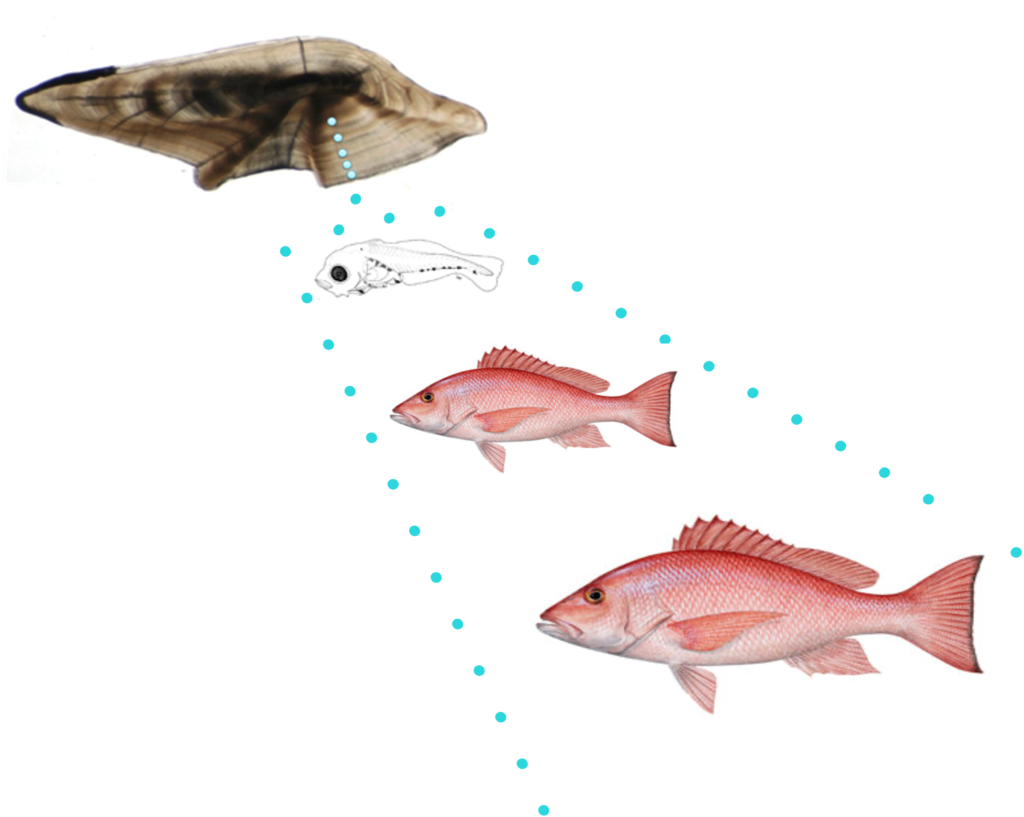
I examine how habitat use changes across life stages and how fishes experience environmental gradients across shallow, mesophotic, and deeper habitats. Otolith chemistry and spatial data provide individual-level records of environmental history that complement population-level genomic patterns.
MUSEOMICS
Museomics & Biodiversity Monitoring
Museum Genomics, Extended Specimens & Reference Libraries
How can museum specimens become richer, reusable sources of biodiversity information?
I connect voucher specimens and tissues with genomic data, morphology, images, geographic records, and other derived information to build extended specimen resources and voucher-linked reference libraries. In collaboration with museum scientists, taxonomists, genomicists, and biodiversity researchers, these resources support reproducible taxonomy, species identification, DNA barcoding, metabarcoding, and eDNA-based approaches.
Deep-Sea Biodiversity Exploration & Monitoring
How can specimens, taxonomy, and in situ observations establish biodiversity baselines for poorly known marine ecosystems?
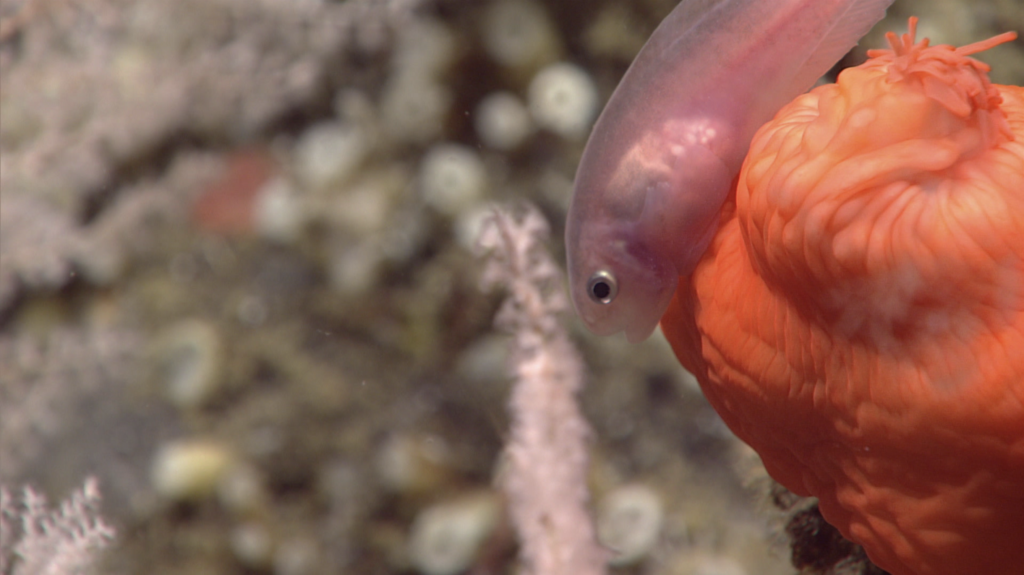
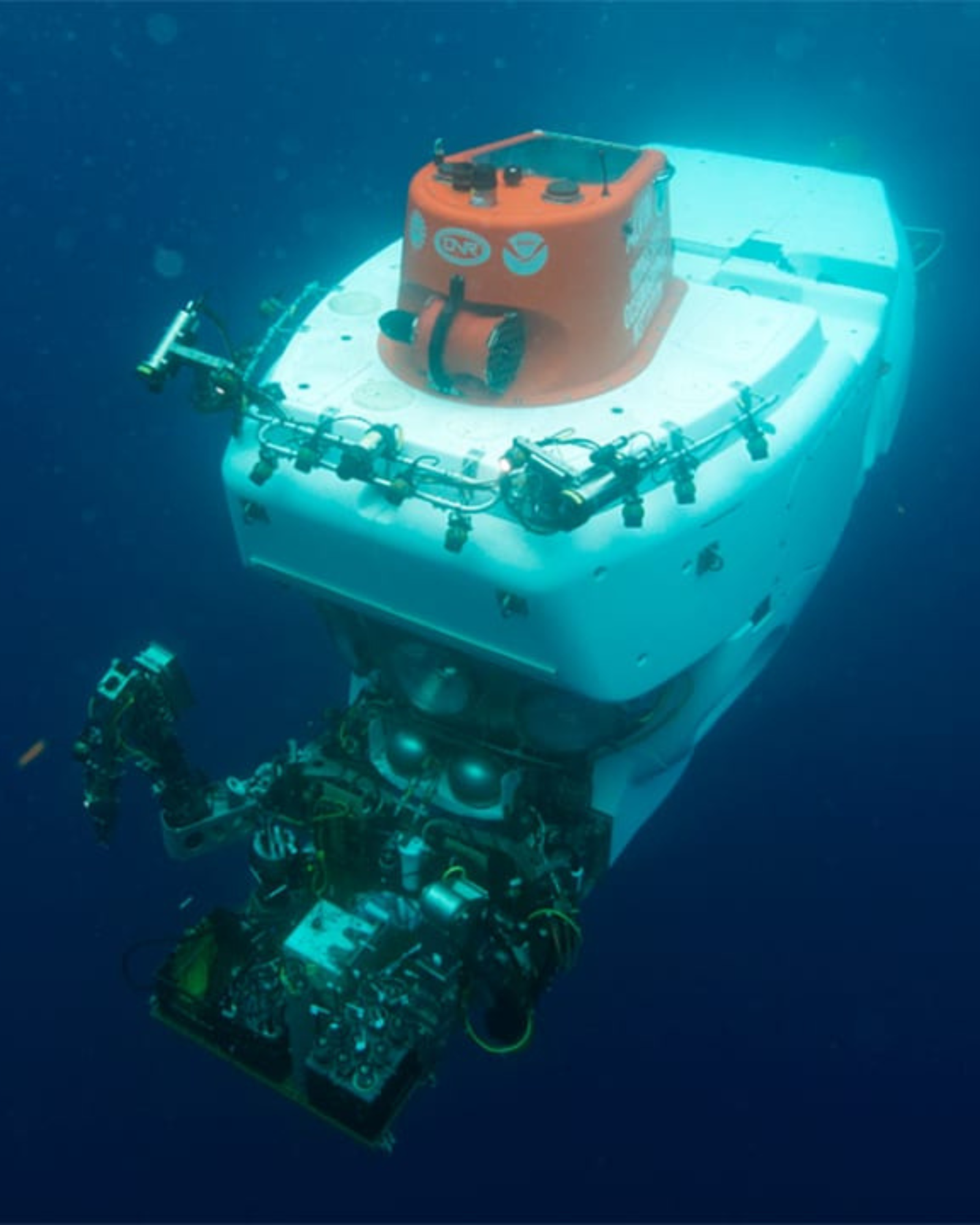
This work extends from museum collections into deep-sea exploration. As part of the multidisciplinary Aleutian Arc project, my role focuses on fishes through video analysis, specimen identification, taxonomy, and the development of resources to document fish diversity, distributions, and habitat associations across a poorly explored region of the U.S. EEZ.
The broader team integrates biological, geological, and environmental observations to characterize deep-sea ecosystems and establish baselines that can support future biodiversity research and monitoring.